Trending

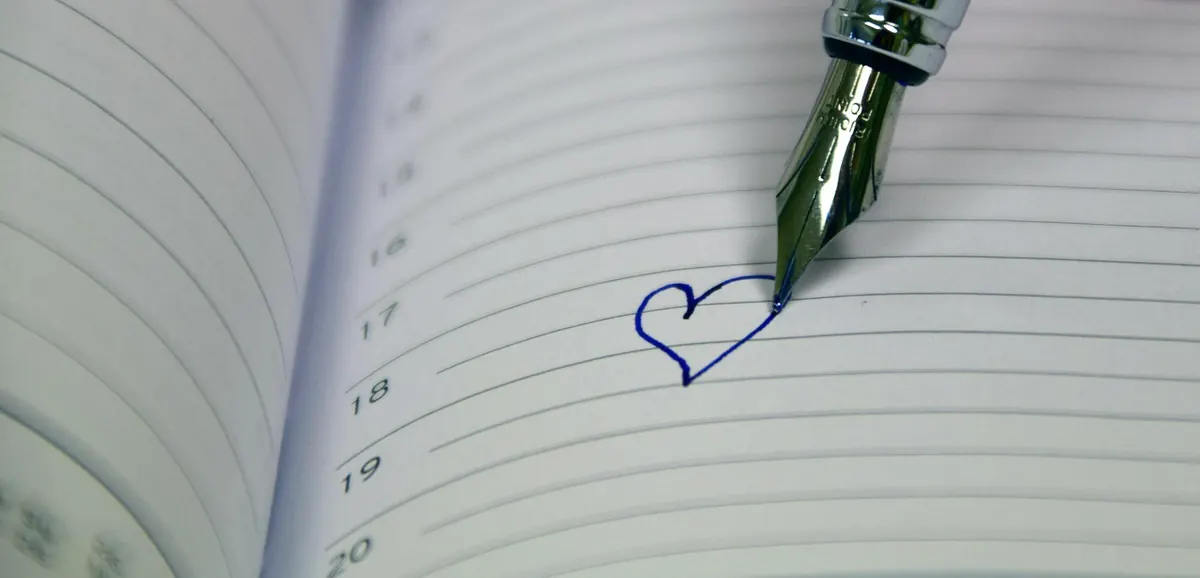
Most diaries don't end with a decision to stop. They fade. A missed Tuesday becomes a missed week, the guilt builds quietly, and the notebook that felt full of promise in January is on a shelf by March, three quarters empty. The reasons diaries fail are fairly predictable, and so are the remedies. None of them demand more willpower than you already have — just a few better habits and a slightly lower opinion of what a diary is meant to look like.
It usually starts with the notebook. Something cloth-bound, with thick cream paper and a ribbon. You write the first entry in your best handwriting and it looks wonderful. Then you misspell a word, or your pen skips, and the page no longer feels finished. Within a fortnight you're avoiding the diary because you don't want to spoil it.
Others wait for a day worth recording. Nothing significant happens, so nothing gets written, and eventually the diary only comes out after holidays and funerals.
The fix is to make the diary a working document rather than a keepsake:
Nobody is marking it. The version of you reading it in ten years will care far more about what you thought than about whether your letters were even.
Enthusiasm lasts about eleven days. After that, whether you write depends on whether the diary has a fixed place in your day. Most people begin with an ambitious target — a full page every evening — and abandon it the first time they get home late.
Lower the bar until it is almost impossible to fail. Two sentences count. A single line naming the day's mood counts. Ten seconds of writing beats a blank page.
Then attach it to something you already do without thinking: the kettle boiling, the last light being switched off, the walk home from the bus stop. The habit sticks to the routine rather than to your mood.
Don't backfill and don't restart. Pick up from today and note the gap in a few words — "away for a week" is enough. The rule that saves most diaries is simple: never miss twice in a row. One skipped evening is a slip; two becomes a habit.
Some diaries are impeccably consistent and completely unreadable. "Work. Shopping. Telly. Bed." Four words a night for a year tells you almost nothing, because the entries record events and leave out everything that made them matter.
Give each entry three short moves: what happened, what you felt about it, and what you intend to do next. That third part is what turns a record into something useful.
Add one specific detail while it's fresh. Not "nice lunch" but the name of the person, the thing they said, the reason you laughed. Specifics are what survive in memory. Generalities evaporate within a month — including your own.
Honest writing needs a reasonable expectation that nobody else will read it. Most people only think about this after a diary has been found, which is a difficult moment to fix in hindsight.
Decide how private you actually need it to be, then match the method to the risk:
If you're writing about a dispute, a workplace problem or anything that might later matter formally, don't assume the notebook protects you. Speak to a qualified professional before relying on it.
A diary that is only ever written is half a diary. The point of the record is that it lets you notice things you'd otherwise miss: the worry that reappears every Sunday evening, the project you keep circling, the fact that you have survived every single thing you were afraid of.
Set aside fifteen minutes at the end of each month to skim. Mark anything worth returning to with a star or a folded corner. If you want to go further, keep a simple index at the back — a page number next to a name or a topic. It takes a minute per entry and turns years of writing into something you can actually search.
If your diary has stalled, don't begin again from scratch. Adjust the habit instead:
That's the whole system. A diary isn't a monument to a well-organised life. It's a place to think on paper, and it works best when it's allowed to be untidy, brief and entirely yours.
Photo: ulleo / Pixabay