Trending


A week in a rented cottage in Pembrokeshire, a long weekend in the Lakes, a wet Tuesday in Whitby: holidays have a way of collapsing into a handful of photographs and a vague memory of weather. A travel diary catches the details before they drift. It is not a report and it does not need to be well written. It needs to be specific. With a notebook that fits in a coat pocket and five minutes at the end of each day, you can make a record that still reads well in ten years.
The diary begins on the way to the station, not at the hotel. Anticipation is part of the holiday and it is the first thing you forget. Write a line about what you are looking forward to, and one about what you are dreading — the four-hour drive, the ferry crossing, the midges.
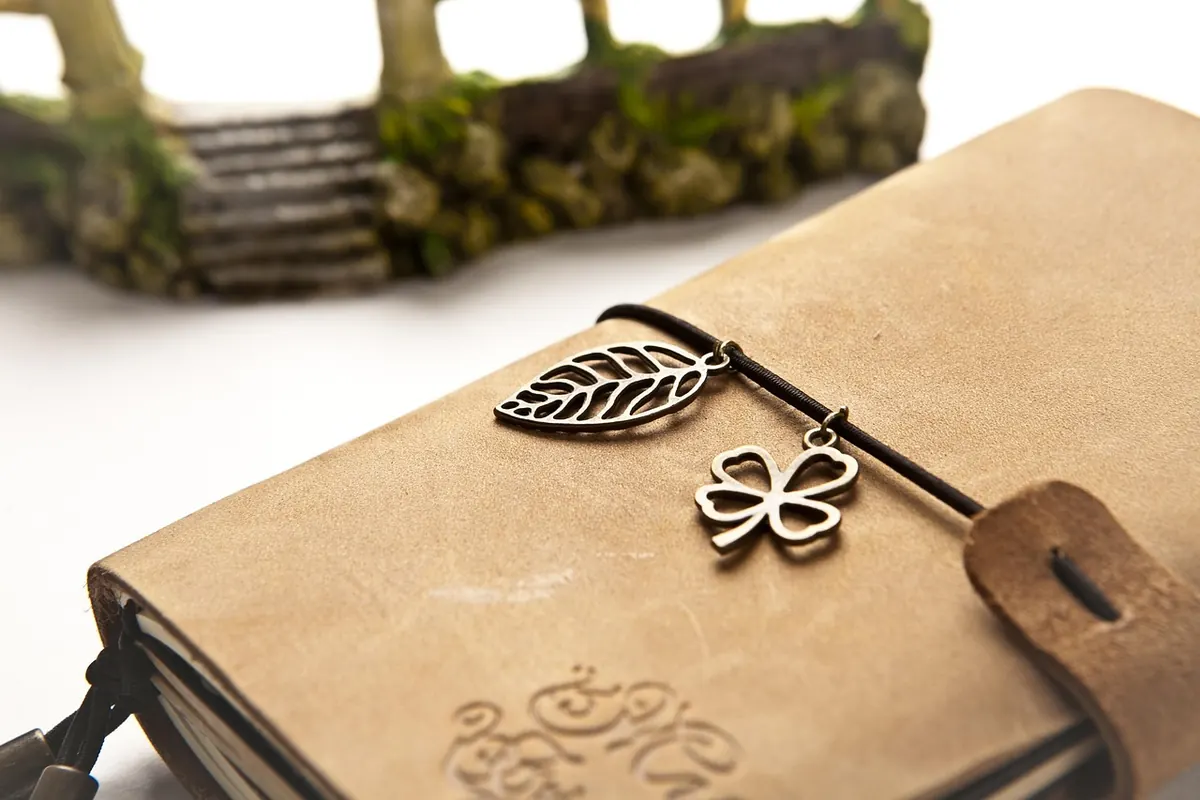
Pack the notebook with your keys and keep it in the same pocket every day. A slim A6 notebook with a pen clipped to the cover beats a handsome hardback that stays in the suitcase. If you would rather type, use the notes app on your phone and transcribe later, but do not let a flat battery end the record.
Settle on a time, too. Most people manage five minutes in bed far better than a noble half-hour at a café table.
Postcards describe landmarks. Diaries describe a Tuesday. The difference is sensory detail, and it is the easiest thing to gather because it needs no skill — only attention. Stand still for thirty seconds wherever you are and note the three loudest things your senses report. Then write them down plainly, without dressing them up.
British holidays offer plenty to work with: waterproofs drying on a radiator, the vinegar sting of a chip shop doorway, shingle shifting underfoot, gulls at half five in the morning, the clatter of a guesthouse breakfast room, a damp stair carpet in a National Trust house, sun cream and cut grass on a village green, midges settling on a bare ankle in the Trossachs.
Detail does the work that adjectives cannot. "Lovely beach" means nothing. "Wind strong enough to make the beach hut doors rattle" puts the reader on the sand.
Blank pages are intimidating at nine in the evening. A fixed structure removes the decision about what to write. This one works whether you have been round a castle or spent the day in a caravan while it rained.
Bought a pasty, sat on the harbour wall, got told off by a man with a spaniel for feeding the gulls.
That is a complete entry. If the day was full and your head is empty, abandon the structure and write a paragraph about the last hour before bed instead. Recent memory is sharper than the morning's.
Resist the urge to write a review. Nobody needs your verdict on the tea rooms; in five years you will want to remember how the place looked from the inside.
Borrow the language around you. Copy down signs, shop names, menu items and dialect words exactly as they appear: Free house. No dogs on the promenade. Please shut the gate. A chalkboard advertising crabs landed that morning. These fragments carry more atmosphere than a paragraph of description, and they are impossible to reconstruct afterwards.
Route detail deserves its own line: the number of the bus, the name of the lane, the fact that you walked the last mile because the road had flooded. Years later, that is the sort of note that sends you looking for a map.
Everyone misses a day, usually the one with the best story. Do not try to catch up with a full entry; it will not happen, and the gap will sour the whole notebook.
Backfill in bullets from whatever evidence you have: three photographs, a ticket stub, a receipt in your pocket. Write two lines for that day and move on. If you are three days behind, sit down with a cup of tea and reduce each day to its single best moment. A short entry beats a blank page every time.
The real test is the Sunday after you return, when the suitcase is still in the hall. Set aside twenty minutes, open the diary at the first page and read it through. Then add what you could not write at the time: the journey home, the moment you realised something had been left behind, the first night back in your own bed.
After that, keep the notebook in your bag rather than a drawer. Day trips to a market town, a weekend in a rented flat, a walk along a canal — all of them deserve the same five minutes. Start tonight with the last holiday you remember clearly, and write three details before you go to sleep.
Photo: Engin_Akyurt / Pixabay