Trending

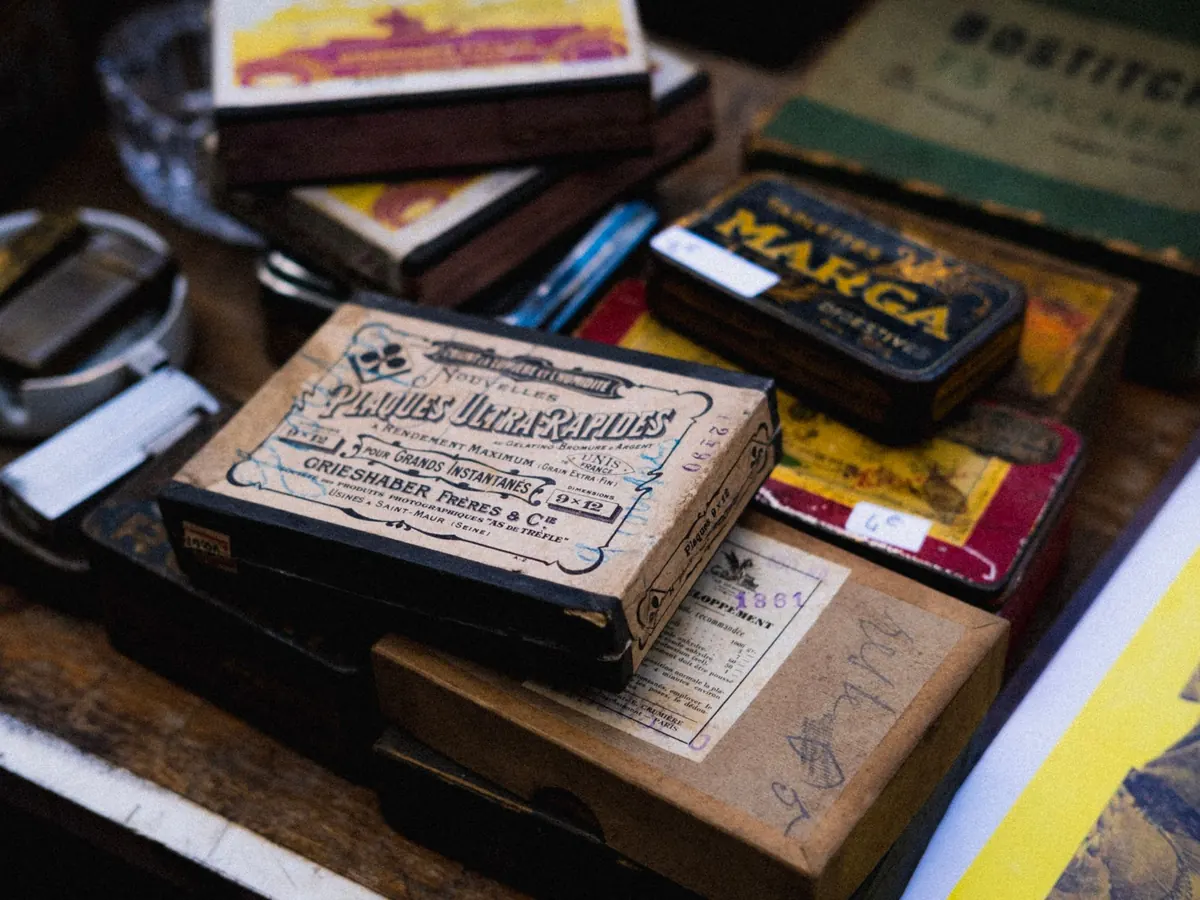
The diary is in a shoebox, or at the back of a drawer, or in a plastic bag under the spare bed. The spine is cracked. The handwriting changes halfway through because at fifteen you decided to write in capitals. You open it and find yourself furious about something you cannot now remember, or in love with someone whose surname you have to think about. Most people put the book back. Writers keep reading, and that is the job: reading it as material rather than as evidence.
The first pass is not research. It is a reunion. Read the whole thing with no pen in your hand, because the moment you start taking notes you stop hearing how the voice changes. Notice where the writing speeds up. Notice which years are missing entirely.
The second pass is where the work starts. Take a pencil and mark four things:
Teenagers write in bursts, so expect long silences followed by six pages in one night. That rhythm is useful. It shows you what mattered enough to break the silence for.
A diary is a partial witness. It was written late at night, by someone with a strong interest in their own story. Entries squeeze weeks into a sentence. And the diary only knows what you knew then: you did not record that your mother was worried about money, because nobody had told you. That absence is material too. It tells you what you were protected from, and when the protection stopped.
So treat the diary as one source among several. Where you cannot verify something, write it honestly as memory — I think the row was about the car — rather than inventing certainty. A reader will forgive an uncertain narrator. They will not forgive a narrator who sounds suspiciously well informed about a Tuesday in 1998.
Here is an entry: Maths was awful. Saw J at break. Walked home the long way.
Three sentences, no film in the camera. But it contains a place, a person and a decision. What can you say honestly about that corridor? What did the bell sound like? If you walked the long way home, what did you walk past, and did you say anything to J or nothing at all? "Nothing at all" is often the better answer, and the more painful one.
Ask these questions of every marked entry:
Resist padding. One honest detail beats five invented ones, and a scene built on a single true line will hold.
Read for what repeats. Recurrence is the diary's way of telling you the book's subject. A name that appears for four years. A word you use about yourself — stupid, boring, too much — that you would never use now. Weather used as a mood. The same joke told to three different people.
Write the recurring things on one sheet of paper. Then ask what the memoir is really about: not "my teenage years" but something narrower, such as learning to be disliked, or a friendship that ended and was never discussed, or a house you were desperate to leave. You cannot fit everything in. The diary will survive being cut.
Two voices can operate at once. Use the diary's own words to bring the teenager close:
Tuesday. Nothing happened. I hate everyone.
Then step out, briefly, and let the older voice speak — without explaining the feeling away. A short line of reflection can do more than a paragraph of analysis. What you are aiming for is a reader who understands something the teenager on the page does not, and an adult narrator who does not patronise him.
Beware the temptation to have the older voice interpret everything. If a scene is doing its work, trust it. Leave the teenager to feel something that the reader grasps and the narrator refuses to spell out.
Diaries are full of real people who never agreed to appear in your book. Decide early whether you are writing memoir with changed names and some composite characters, or autobiography with real ones, and note your approach in a short author's note. Changing a name is not always enough if the details still identify someone, and a person's own memory of an event may differ sharply from yours, which is worth remembering before you publish a version of it as settled fact.
If your diary contains claims about identifiable living people — particularly about conduct that could damage them — take proper legal advice before you publish. Memoir is a personal form, but it is not a protected one. Equally, if the material covers a difficult period in your own life, it is sensible to have someone to talk to while you work. Writing about old pain can be steadying or it can reopen things, and a memoir does not need to cost you your peace to be honest.
The diary is research, not the book. Few readers want two hundred pages in date order. Build a scene list instead: one line per scene, on index cards or in a spreadsheet, and move them around until the story has a shape. You will need scenes, stretches of summary and moments of reflection, in some kind of rhythm. Cut most of the dates; keep the ones that mean something.
You will not use a tenth of what is in the box, and that is the point. The diary was written for nobody; the memoir is written for someone. Keep the honesty, lose the shorthand, and the box can go back under the bed.
Photo: Mathias Reding / Pexels